From die-hard metalheads for die-hard metalheads! A place where music, art, culture and people meet- with metal at its heart!
1. Please announce the festival in several sentences. Why should we visit, and what are the advantages that set your festival apart from other ones?
Bosphorus Open Air Metal Fest is not simply a festival where you come, watch some bands and go home. It is our attempt to create a real metal gathering in Istanbul and, at the same time, to build a cultural platform around the music we love.
What makes us different is, first of all, the city itself. Istanbul is a unique meeting point between Europe and Asia, and we want the festival to reflect that character.We are also very careful about our line-ups. We don’t want to build a festival only around one particular subgenre or simply book the biggest names we can afford. We want people to discover something.
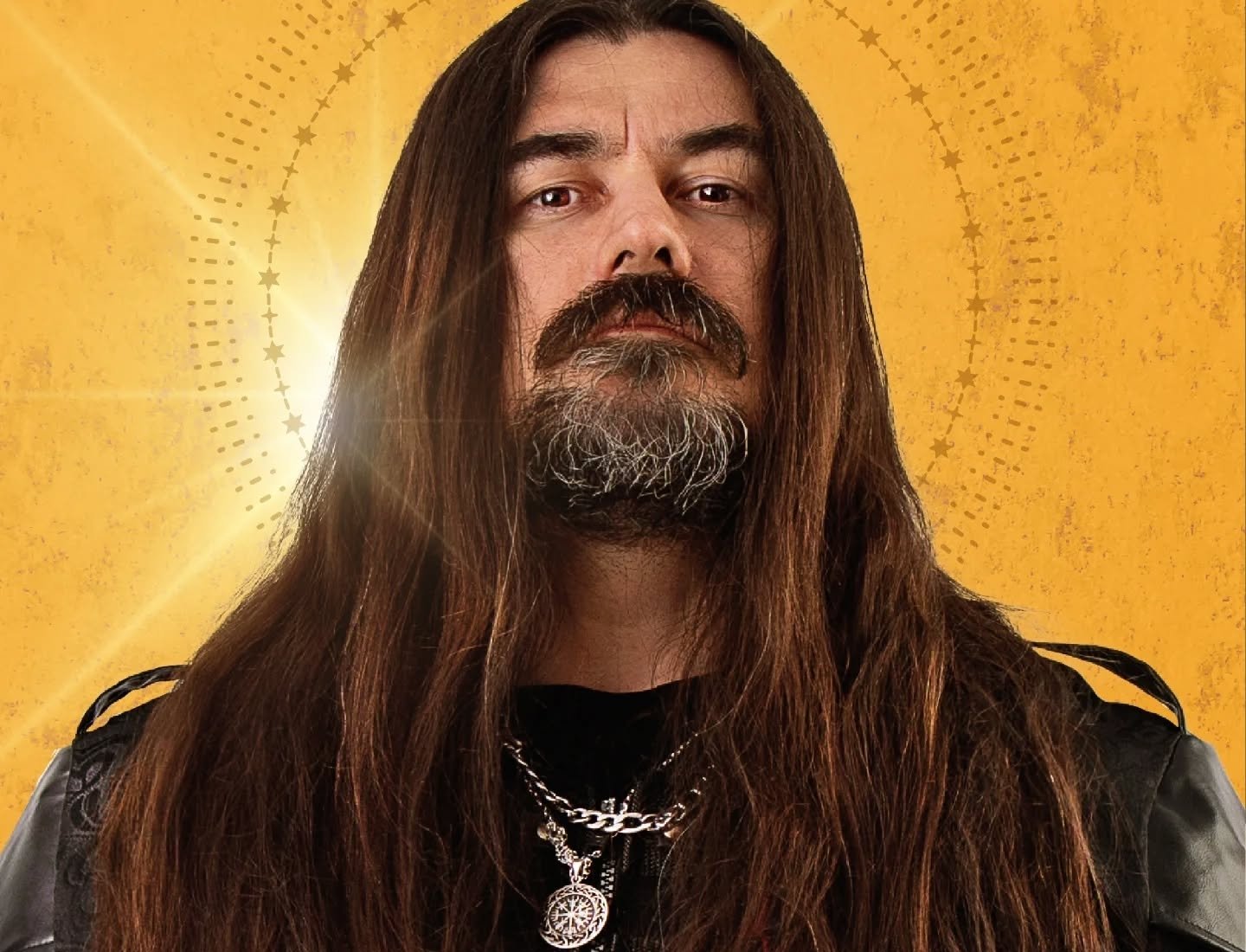
And perhaps the most important thing is that we are metal people ourselves. I have been involved in the metal scene as a musician for more than two decades with Moribund Oblivion, so I know what a metal fan expects from a festival. We try to approach the festival from the audience’s side, not only from the organiser’s side.
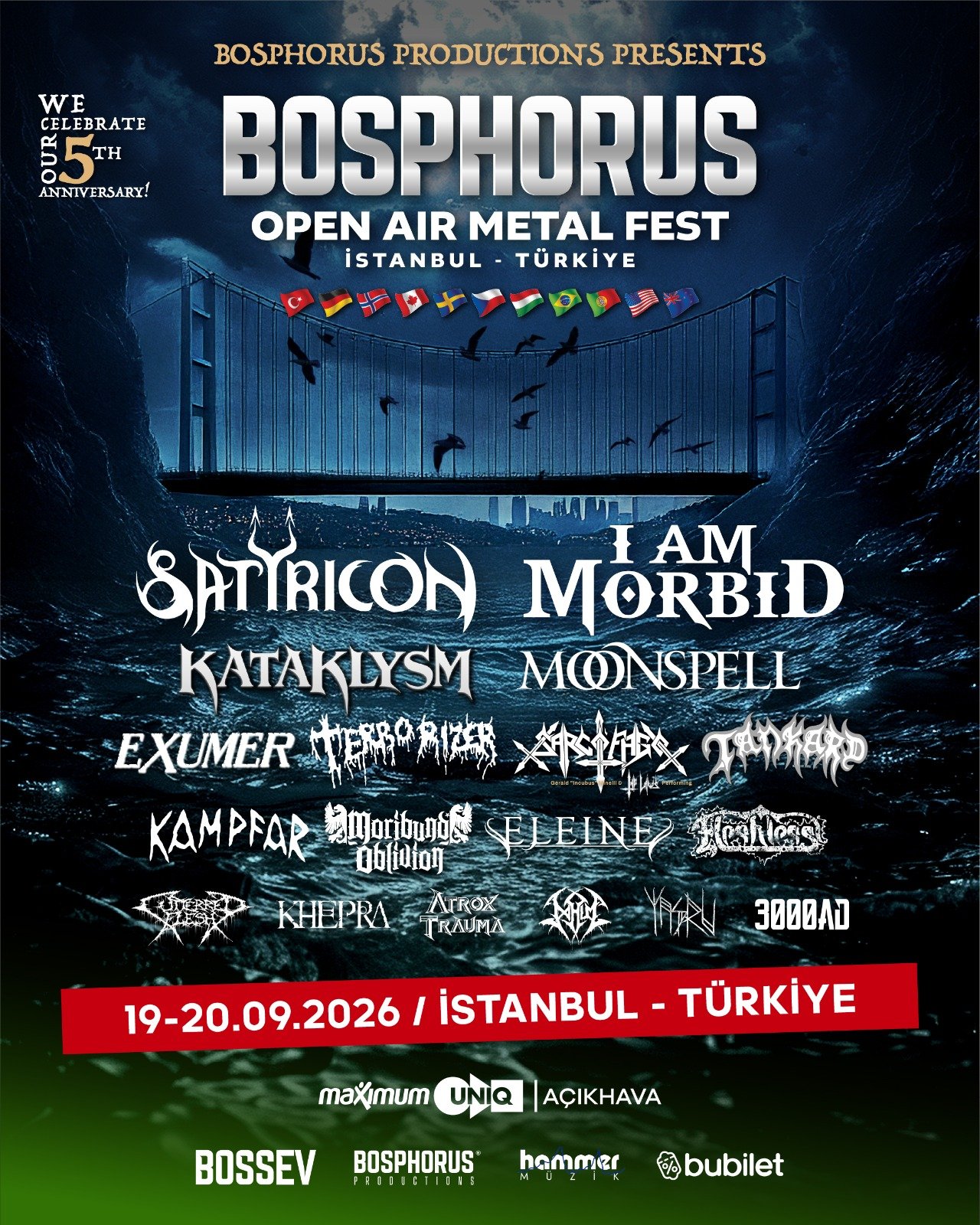
2. The lineup this year is very impressive! What is the main programme idea?
The basic idea was diversity without losing our identity.
If you look at this year’s line-up, you can see black metal, death metal, thrash, heavy metal, gothic metal and several different generations of extreme music. For me, a good festival should be a little bit like a record collection. You may come because of one band, but you should leave having discovered two or three others that you didn’t expect to like. I also wanted to create a line-up where younger bands and legendary names could share the same stage. Metal is a culture with a very long memory, and I think it is important to respect that history while also giving space to the new generation.
3. How many visitors are you expecting? Or how many visitors did you have last year?
Since we moved to the open-air format, we have seen a steady growth in our audience, and we are expecting another strong response this year.
For us, growth is important, but I don’t want the festival to become a numbers game. Of course, we want more people to come every year, but I would rather have 5,000 people who genuinely care about the music than 10,000 people who are there simply because something is fashionable. Another important development for us is the international audience. We have started to see people travelling to Istanbul specifically for the festival, including visitors from neighbouring countries and much further away. That is something we are particularly proud of.
4. Please tell us something about the venue. Are there any special advantages, such as nature, closeness to tourist venues and/or accommodation?
The biggest advantage is Istanbul itself.
We are in a huge, vibrant city with an incredible history and culture, while still being able to create a proper festival atmosphere. For someone coming from abroad, this is a very important point. You don’t have to travel to a remote festival site and spend your entire trip inside a festival camp. You can stay in Istanbul, experience the city, eat Turkish food, visit historical places and then come to the festival. That is actually one of the things we want to encourage: come to Istanbul for metal, but don’t leave Istanbul without experiencing Istanbul.
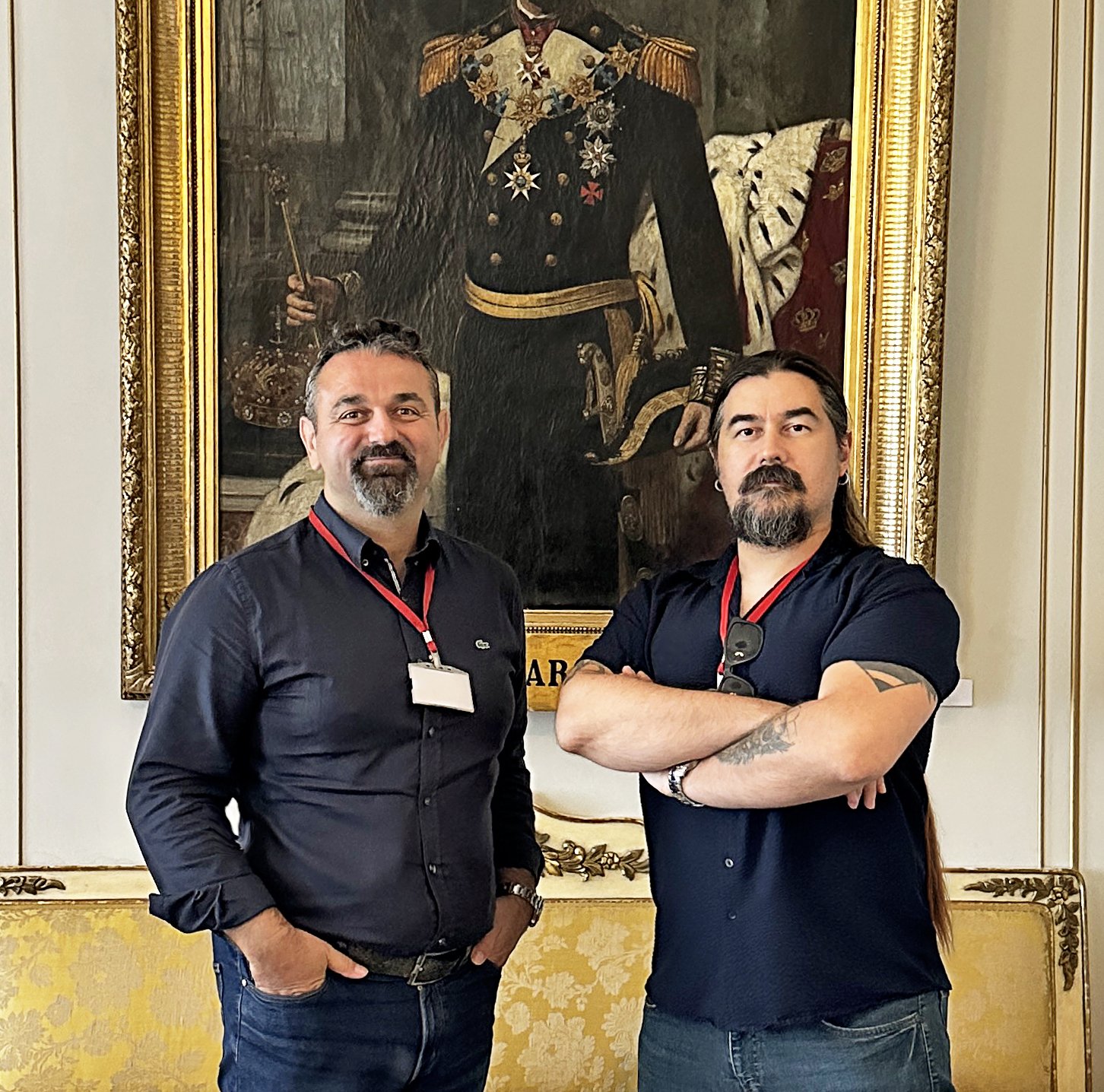
Photo: Bosphorus Organizers
5. What was the biggest challenge you had to overcome during the organisation of the festival?
Honestly, almost everything is a challenge when you organise an independent metal festival in Türkiye.
Bringing international bands to Istanbul involves contracts, visas, flights, hotels, transportation, backline, technical requirements and many other details. And then there is the financial side. International artist costs, production costs and almost every other expense have increased enormously in recent years. But the biggest challenge is probably convincing people that a metal festival can be a serious, professional and sustainable cultural event. We are not simply putting concerts together. We are trying to build something that can survive for many years. That requires patience, stubbornness and, sometimes, a slightly unhealthy amount of optimism.
6. What does the greatest success in festival organisation mean to you?
For me, success is when people leave the festival already talking about next year.
Of course, a sold-out festival is great. A perfect line-up is great. Positive press is great. But those are not the things that stay with me the longest. The real success is when someone comes to me and says, “I travelled from another country for this festival and it was worth it.” Or when a young Turkish metal fan tells me that they saw one of their favourite bands for the first time at Bosphorus. I am also a musician, so I know what it means for a band to stand on a stage and feel that the audience is genuinely there for them. Creating that connection is probably the biggest success for me.
7. Is there a camping ground? If not, is it planned for the future?
No, we don’t currently have a traditional camping area, mainly because of our location.
But actually, this is not necessarily a disadvantage. Istanbul has an enormous range of accommodation, from hostels and affordable hotels to five-star hotels, and visitors can stay wherever they prefer. For the future, I wouldn’t completely rule out a camping concept, but if we ever do it, I would like it to be something carefully designed rather than simply putting tents somewhere next to the festival.
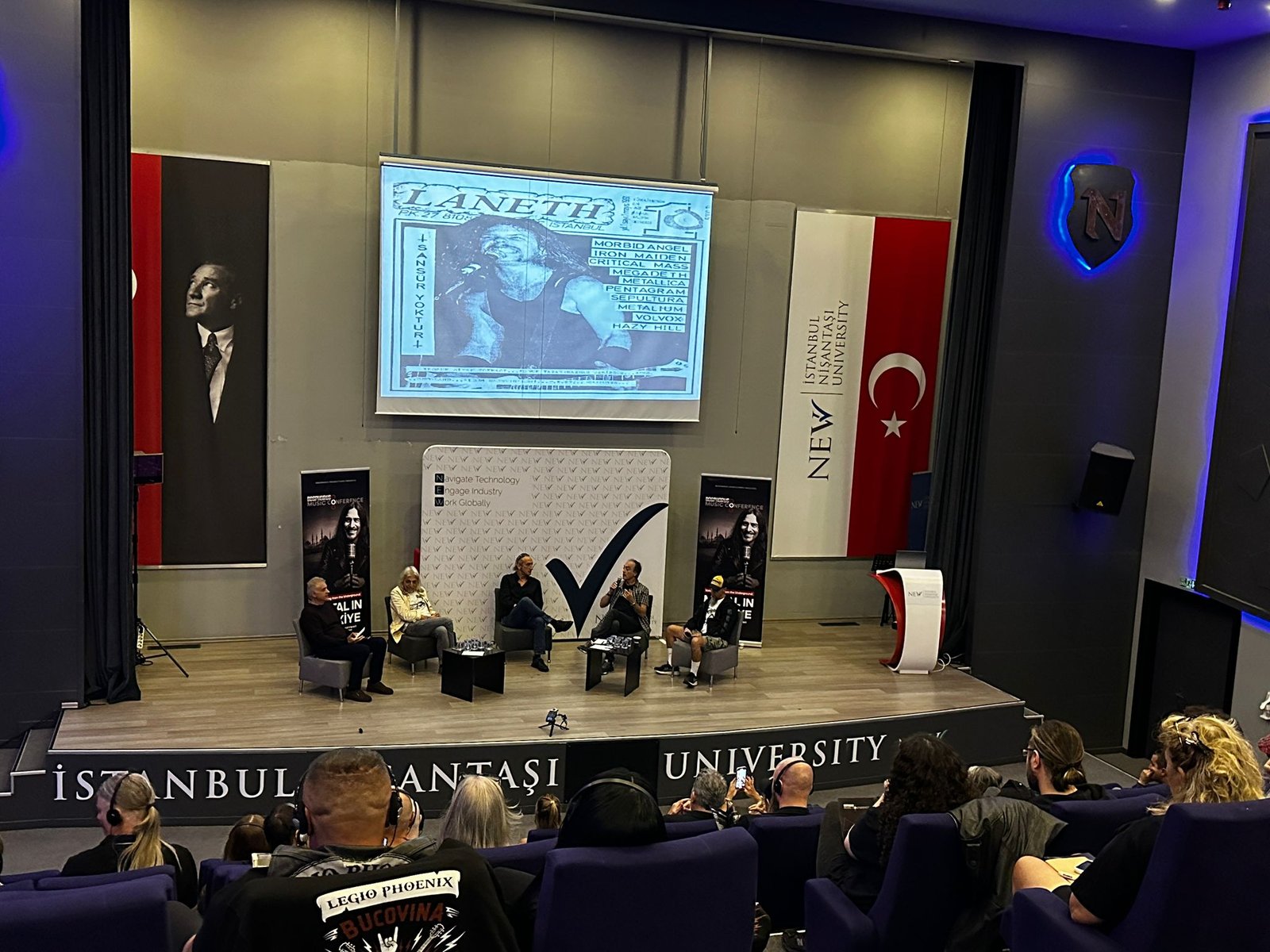
Bosphorus Musi̇c Conference
8. What is your biggest wish regarding the festival? Are there going to be some changes in the future and which?
My biggest wish is to make Bosphorus Open Air Metal Fest a permanent destination on the international metal calendar.
But I also want to take the festival beyond the traditional definition of a music festival. This year, we are expanding our activities significantly. We are organising the second edition of the Bosphorus Music Conference, where internationally recognised professionals from the music industry will join us as speakers alongside professionals from Türkiye. And for the first time, we are also introducing the Bosphorus Photo & Art Exhibition, bringing photography and visual arts into the festival environment. So our long-term vision is to transform Bosphorus into a cultural festival centred around metal and alternative music, but embracing art, industry, culture and the city itself. I think this is the direction in which the festival needs to grow.
9. Are you planning to introduce meet & greet or signing sessions at one point in the future?
At the moment, we are not planning meet & greet or signing sessions as part of the festival programme.
Our priority is to develop the festival experience itself and, particularly this year, to expand the cultural and professional side of the event through the Music Conference and the Photo & Art Exhibition. Of course, we are always open to new ideas in the future, but we don’t want to add activities simply because they are expected at festivals. Everything we introduce should have a genuine purpose and fit the character of Bosphorus.
10. What is the price of beer inside the festival venue?
We are very conscious about this issue.
I have been a festivalgoer and a musician long before I became an organiser, so I know exactly how frustrating it is when you pay a reasonable ticket price and then feel that everything inside the festival is ridiculously expensive. We want food and drinks to remain reasonably priced and, most importantly, transparent. I don’t want people to feel that they are being punished financially simply because they are inside a festival. Keeping prices reasonable is definitely something we care about.
11. At which point will you say: “All is set, everything has been taken care of and no need to stress or worry any more”?
Never. 🙂
If you ask any event organiser that question, I think the honest answer is probably “five minutes after the doors open.” There is always something. For me, the closest moment to saying “OK, now we are ready” is when the stage is completely built, the soundcheck is finished, all the artists have arrived, the crew knows exactly what they are doing, and I can finally stand somewhere backstage with a coffee and watch the first people entering the venue. But even then, I probably won’t relax. Because I am also playing with Moribund Oblivion, which makes things even more complicated. I have two completely different jobs during the festival: one as the organiser and one as the frontman.
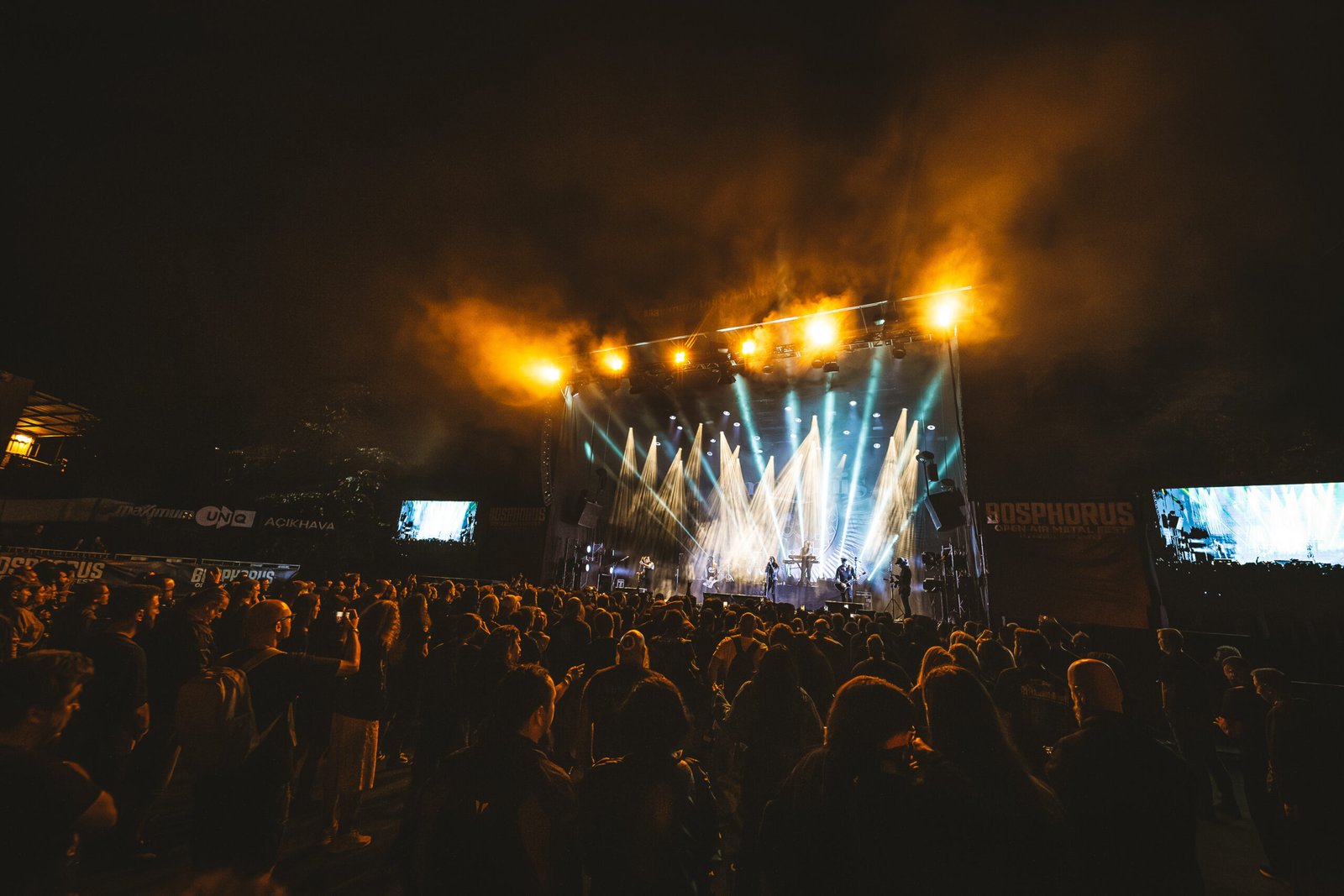
Photo credit: Cuneyt Ozer (Amorphis)
12. What would you like to say to visitors coming to Istanbul for the very first time from distant countries, only for this festival?
First of all: don’t come only for the festival. Come for Istanbul.
If you have never been here before, give yourself at least a little time to experience the city. If you have only a few hours, go to Sultanahmet, walk around the old city, see Hagia Sophia and the Blue Mosque area, and if you have more time, take a ferry across the Bosphorus. And please eat properly. 🙂 Try Turkish food. Have a proper Turkish breakfast. Eat kebab, lahmacun, meze — whatever you like. And don’t leave without trying baklava. But most importantly, don’t be nervous about Istanbul. It is a huge and sometimes chaotic city, but that chaos is also part of its character.
13. As for the future of the festival, could you please share any exclusive info or plans you might have?
I don’t want to announce something before it is completely confirmed, but yes, we have much bigger plans than what people currently see.
Our ambition is not simply to increase the number of bands or make the festival bigger every year. We want to develop the whole concept. The second edition of the Bosphorus Music Conference is an important step in that direction. This year, we are bringing internationally recognised music industry professionals to Istanbul as speakers, creating an environment where musicians, promoters, managers, labels, media professionals and other people from the industry can meet and exchange ideas. The first Bosphorus Photo & Art Exhibition is another major step. We want visual art to become a permanent part of the festival’s identity. So the future vision is much broader than simply adding another day or another headliner. We want Bosphorus to become an international cultural meeting point for metal, music and art.
And yes, there are artists that I personally dream of bringing to Istanbul. Some of those conversations are already happening. But I have learned one important rule in this business: never announce a band before the contract is signed. 🙂
So I will keep some secrets for now.
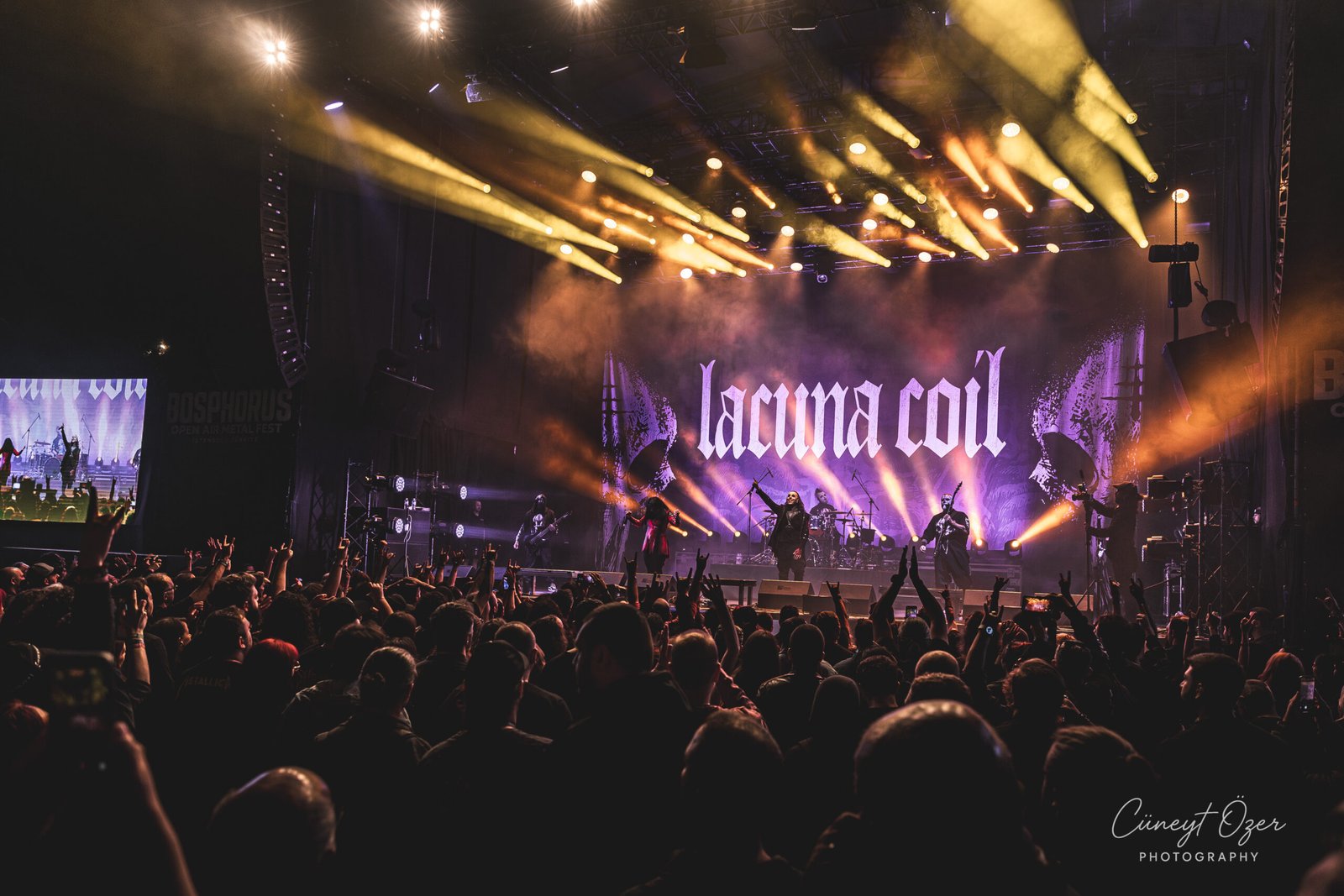
Photo credit: Cuneyt Ozer (Lacuna Coil)
14. Would you like to add anything?
Yes.
I would like to say something not only as a festival organiser, but as a musician.
I started Moribund Oblivion in 1999, when the Turkish metal scene was much smaller and it was extremely difficult for a Turkish band to be heard outside the country. Today, I am in a position where I can help bring some of the world’s most important metal bands to Istanbul. For me, that is not just a business. It is part of the same journey. When I started playing metal, I never imagined that one day I would be standing on the other side of the table, negotiating with the bands that I grew up listening to. So Bosphorus is very personal to me. And this is also why we are now trying to expand the festival beyond music alone. The Music Conference, the Photo & Art Exhibition and the other projects we are developing are all part of the same idea. I want Bosphorus to become a place where music, art, culture and people meet — with metal at its heart. I want people to remember the festival, but more importantly, I want them to feel that they were part of something.
That is what metal has always been about for me: community, passion, independence and the freedom to be yourself.
interview conducted on 7 September 2026 with Kristina Hećimović