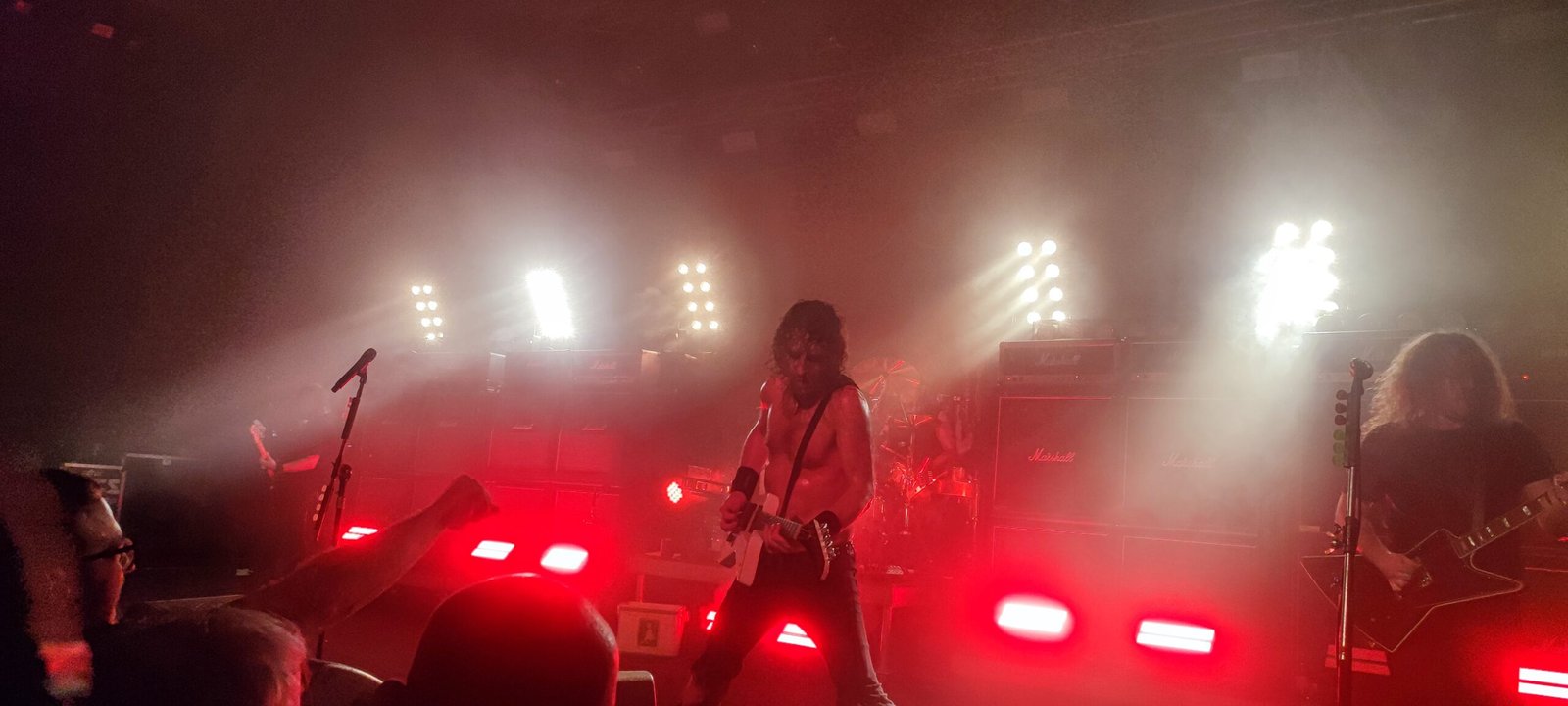
Airbourne’s long‑awaited return to Zagreb delivered exactly what fans hoped for: a night where hard rock felt urgent, alive, and gloriously loud. The Boogaloo club pulsed with anticipation even before the first note rang out, and once the Australian quartet stormed the stage, their trademark blend of raw energy and tight musicianship reminded everyone why they are often hailed as “the new AC/DC“. Joel O’Keeffe’s wild charisma dominated the room, his vocals cutting through the dense wall of Marshall amps with the same reckless joy that has defined Airbourne’s career since their early days shaped by Thin Lizzy, Motörhead, and Judas Priest. The band’s setlist leaned heavily on fan favorites—tracks like “Runnin’ Wild,” “Too Much, Too Young, Too Fast,” and “Breakin’ Outta Hell” ignited the crowd with anthemic choruses that felt tailor‑made for sweaty club walls and raised fists.
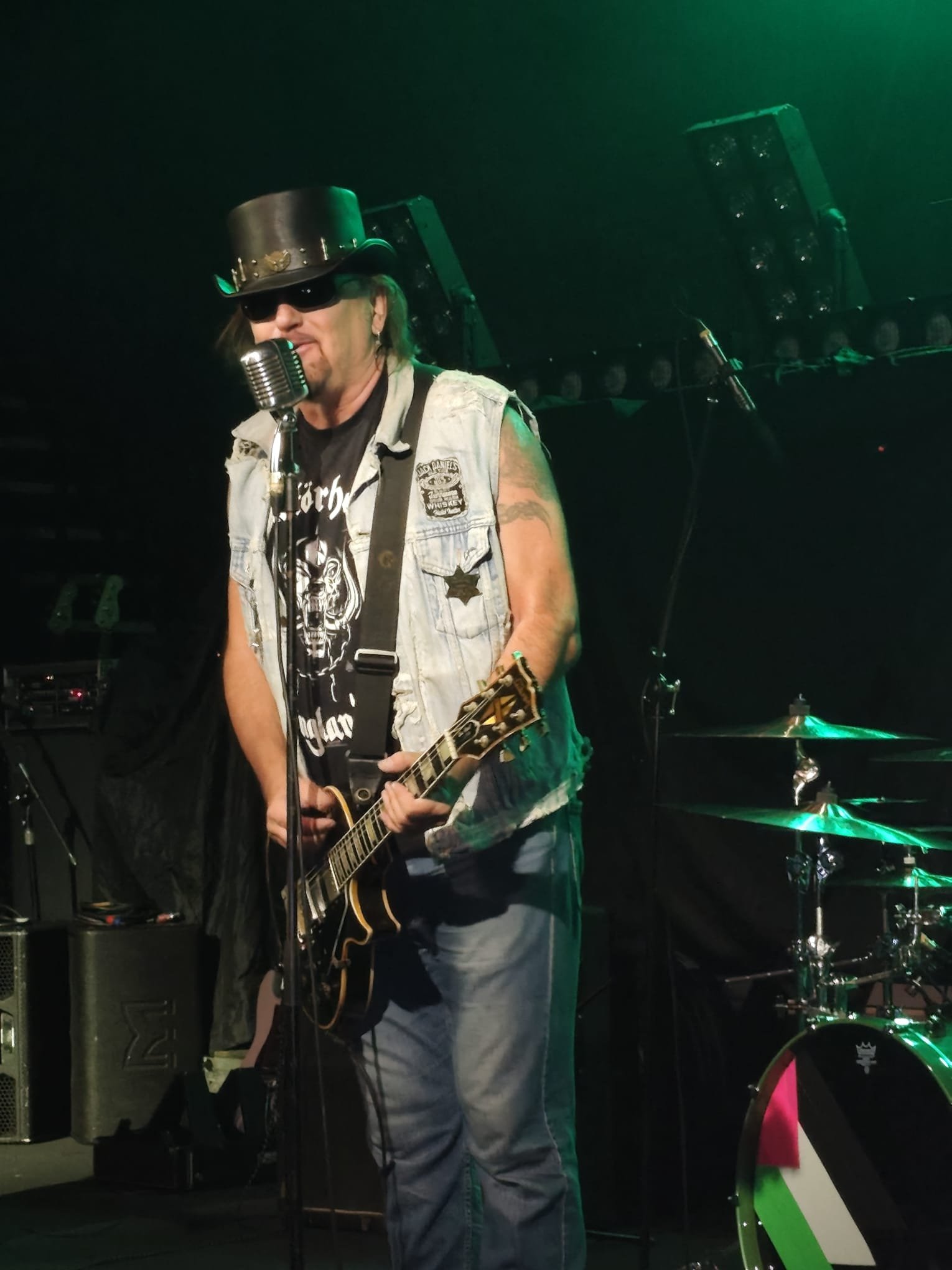
Hard Time, Zagreb’s own hard rock veterans, opened the evening with a performance that exceeded expectations and proved their return to the scene is more than nostalgia. Their set blended classic heavy riffs with a confident stage presence, earning enthusiastic cheers from an audience clearly thrilled to welcome them back. The interplay between Hard Time’s seasoned delivery and Airbourne’s explosive momentum created a dynamic flow throughout the night, giving the concert a sense of narrative rather than just a sequence of performances. By the time Airbourne took over at 9:30 p.m., the room was already vibrating with collective energy, and the transition felt seamless—like passing a torch between generations of rock loyalists.
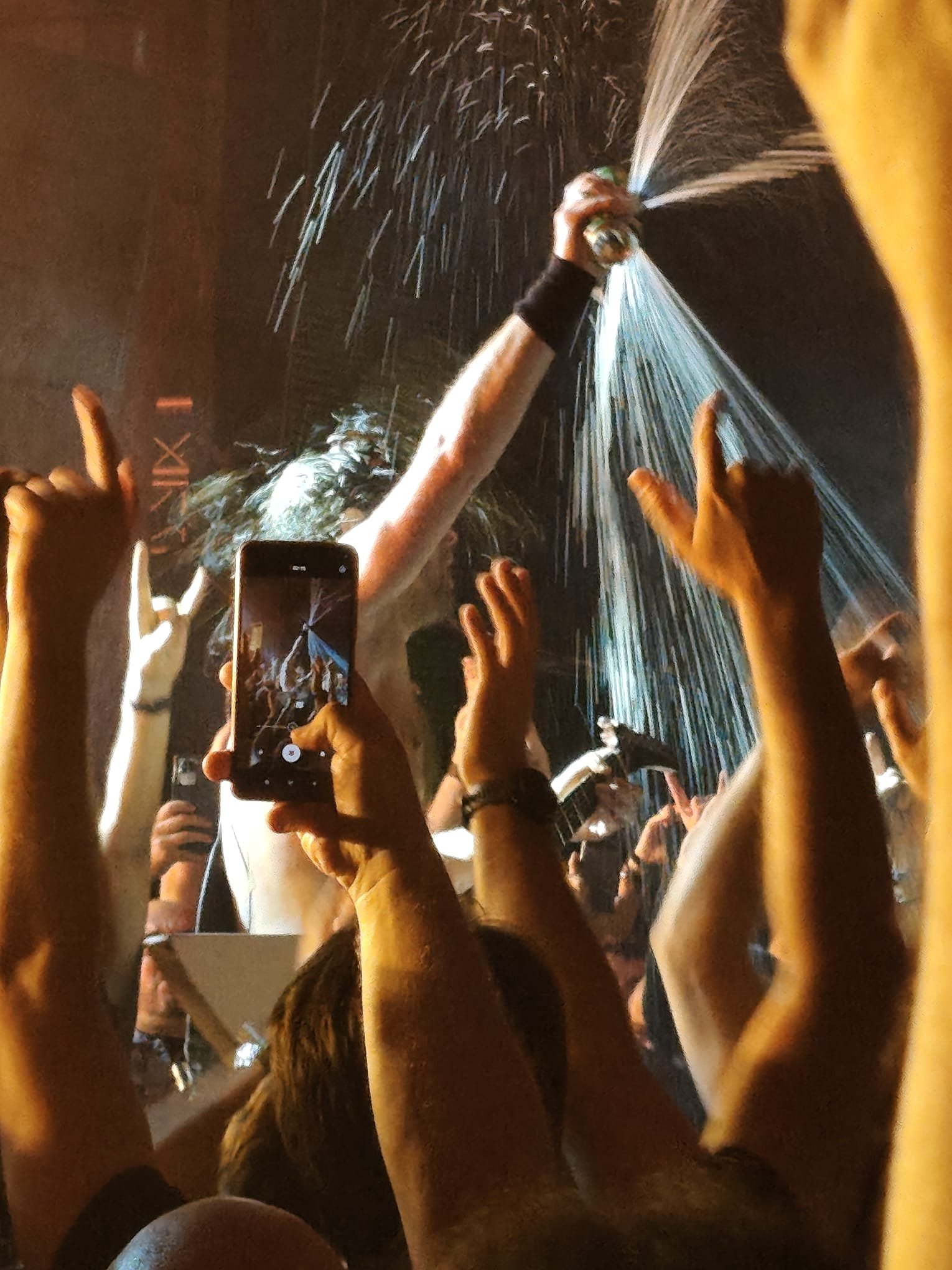
Airbourne’s musicianship was razor‑sharp, with Ryan O’Keeffe’s drumming driving each song forward like a locomotive and the rhythm section locking in with precision that elevated even their most chaotic moments. Joel’s trademark antics—beer‑can head‑smashing included—were not just theatrics but extensions of the band’s ethos: rock’n’roll as physical release, as celebration, as communion. The crowd responded in kind, singing every chorus, jumping in unison, and feeding the band with the kind of feedback that transforms a concert into an event. The atmosphere inside Boogaloo felt electric, almost ritualistic, as if everyone present understood they were participating in something larger than a Tuesday night show.
What stood out most was how Airbourne balanced nostalgia with forward momentum. Even with five albums behind them and a sixth on the horizon, their performance radiated hunger rather than complacency, proving that decades on the road—three million kilometers, by their own count—have sharpened rather than softened them. The band’s connection to their influences was palpable, yet their identity felt fully their own, forged through relentless touring and an unwavering commitment to high‑voltage rock. Hard Time’s return added emotional weight to the evening, reminding Zagreb’s rock community of its own legacy and resilience. Together, the two bands created a night that honored tradition while celebrating the present.
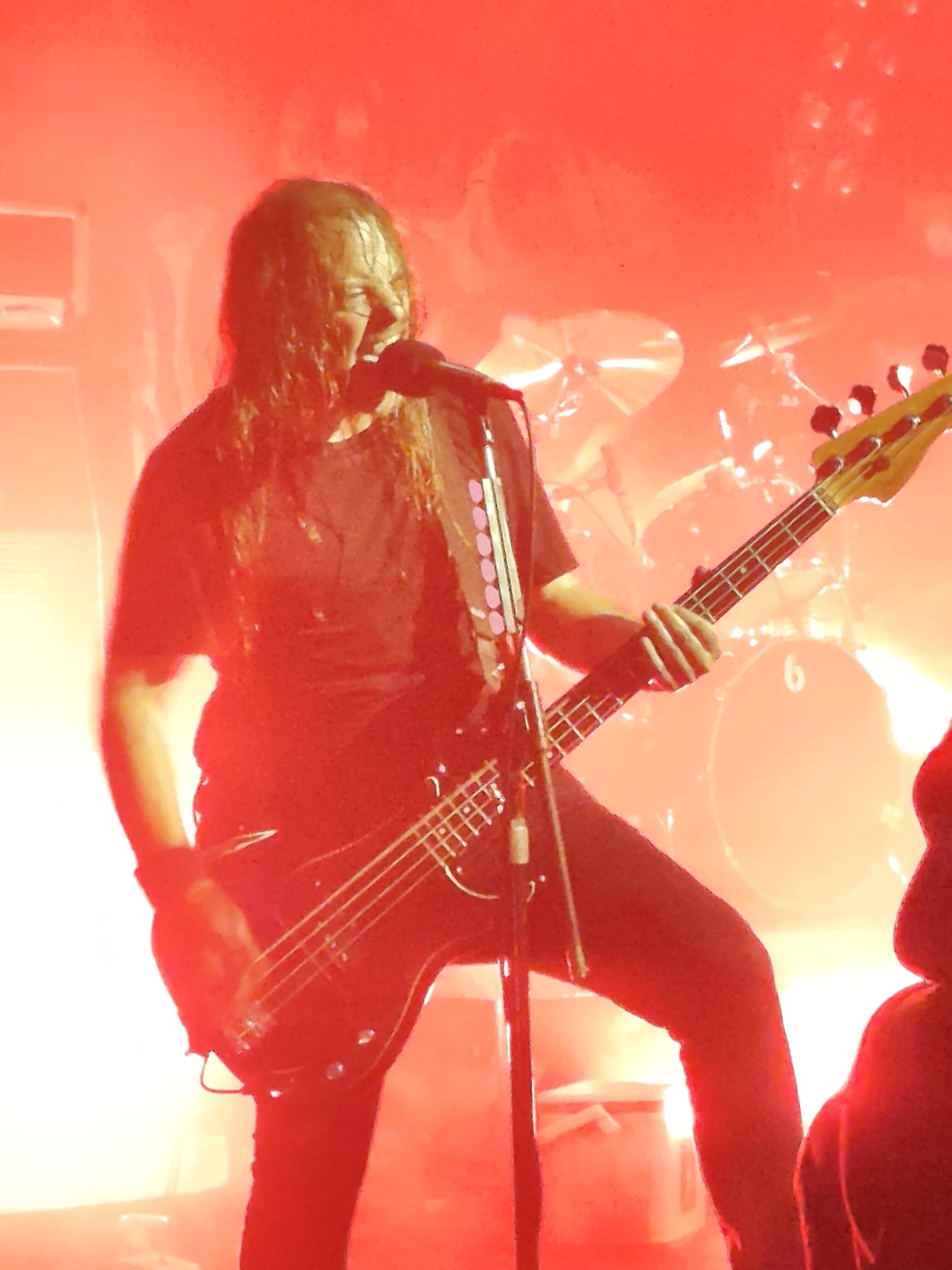
The audience’s reaction was nothing short of ecstatic, with fans praising both bands long after the final note faded. Many described the concert as one of the most energetic hard rock events Zagreb has seen in years, highlighting Airbourne’s ability to turn a club into a battlefield of riffs and adrenaline. As the lights dimmed and the crowd spilled into the warm July night, it was clear that this performance would be remembered much like their legendary Tvornica show a decade ago. Airbourne didn’t just return to Zagreb—they reclaimed it, reaffirming their status as one of the most electrifying hard rock acts touring today!
Note: photographs from the private archive.